

EXANTE Talks: Bond markets and the return of the ‘old ordinary’
After years of exceptionally low interest rates, are bond markets returning to a world of higher yields, greater volatility and more persistent inflation?
Dr Arnab Das, Co-founder of GeoLogica Strategies, believes the so-called 'new normal' was anything but normal. In this episode of EXANTE Talks, he joins EXANTE Global Head of Research Dr Renée Friedman to explore why bond markets are changing, what investors may be overlooking and where the biggest risks could emerge.
Their conversation considers whether rising government debt and borrowing costs could trigger another Eurozone crisis, how higher yields might affect the AI investment boom and why the speed of any adjustment could matter as much as its direction.
5 things you'll take away
- The return of higher yields: Why the low-rate era may have been the exception, not the rule.
- Debt under pressure: How government borrowing, defence spending and inflation risks are reshaping bond markets.
- Europe's fiscal fault lines: Why France faces particular challenges, and whether these could spread across the Eurozone.
- The AI investment boom: How rising yields, energy costs and US-China competition could affect its trajectory.
- The risks ahead: Why a sudden market shock could be more damaging than a gradual rise in yields.
Watch the conversation to explore what's driving the bond market's return to the 'old ordinary', and what it could mean for investors.
“To me, the bond market is the core of everything. It drives currencies through the discount rate, and it significantly influences equities.”
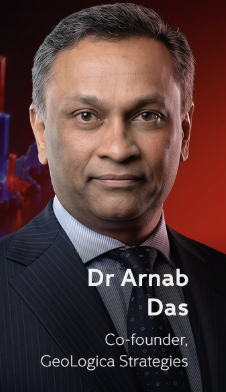
Arnab Das
Co-founder of GeoLogica Strategies
This article is provided to you for informational purposes only and should not be regarded as an offer or solicitation of an offer to buy or sell any investments or related services that may be referenced here. Trading financial instruments involves significant risk of loss and may not be suitable for all investors. Past performance is not a reliable indicator of future performance. Sentiments are generated automatically and are not investment advice.
 Back to all events



Created by professionals. For professionals.
